Buy ascomputers.eu ?
We are moving the project
ascomputers.eu .
Are you interested in purchasing the domain
ascomputers.eu ?
domain@kv-gmbh.de · 0541-91531010
Buy ascomputers.eu ?
What is the difference between Konjunktiv 1 and Konjunktiv 2?
Konjunktiv 1 is used to express indirect speech, polite requests, or to report what someone else has said. It is formed by adding an ending to the stem of the verb. Konjunktiv 2, on the other hand, is used to express hypothetical situations, wishes, or desires. It is formed by adding an umlaut to the verb stem and specific endings. Overall, Konjunktiv 1 is more commonly used in written and formal language, while Konjunktiv 2 is used for more speculative or imaginary situations. **
Is the Konjunktiv I formed like this?
Yes, the Konjunktiv I is formed by using the stem of the verb and adding specific endings for each person. For weak verbs, the endings are -e, -est, -e, -en, -et, -en for the singular and plural forms. For strong verbs, the endings are -e, -est, -e, -en, -et, -en for the singular forms and -en, -et, -en, -en, -et, -en for the plural forms. Additionally, there are irregular verbs that have their own unique forms in the Konjunktiv I. **

Similar search terms for Konjunktiv
Top-Angebote
Products related to Konjunktiv:
-
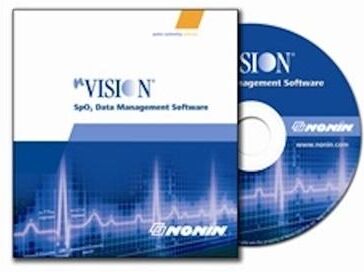
Nonin Medical nVision Data Management Software for Oximetry Screening""" nVision SpO2 Data Management Software Nonin's innovation in pulse oximetry has led to the development of an easy oximetry reporting solution nVISION. Designed to provide effortless viewing, professional analysis, report generation and reliable..."441,00 $*Shipping: 0,00 $Secure redirect to the provider
-
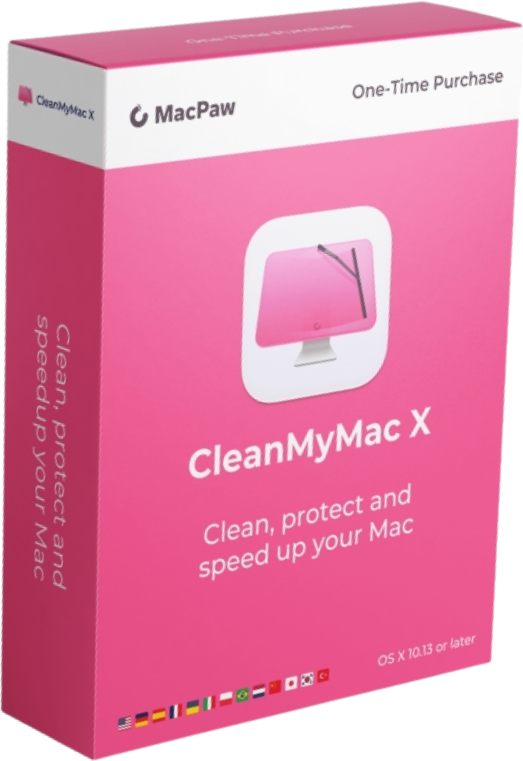
Mac Paw CleanMyMac X - Mac Cleaning and Optimisation Software - Lifetime LicenceCleanMyMac X - Mac Cleaning and Optimisation Software Lifetime Licence Clean, Optimise and Protect Your Mac with CleanMyMac X CleanMyMac X is the best cleaning and optimisation software for Mac, designed to free up disk space, speed up macOS and protect your computer from malware and viruses. Chosen by millions of users worldwide, CleanMyMac X is the professional solution to keep your MacBook, iMac or Mac Mini in perfect condition. Why Choose CleanMyMac X? Deep Cleaning the Mac Remove junk files, system caches, obsolete logs and temporary files that take up valuable disk space. CleanMyMac X can free up tens of gigabytes with a single click, optimising the performance of your Mac. MacOS Performance Optimisation Speed up your Mac by eliminating applications that start automatically, unnecessary background processes and scripts that slow down the system. Ideal for Slow Mac or with performance problems. Antivirus and Antimalware Protection Full scan to detect and remove Mac viruses, adware, spyware and ransomware . Constantly updated database to protect your device from the latest cyber threats. Complete Uninstallation of Applications It completely removes unwanted apps along with all residual files, extensions and hidden preferences that other uninstallation methods leave on the system. Main features of CleanMyMac X ✓ Smart Scan - Automatic scanning that analyses cleanliness, protection and speed ✓ Freeing Disk Space - Finds and removes duplicate files, heavy email attachments and forgotten downloads ✓ Software Update - Keep all your applications up-to-date from a single interface ✓ System Monitoring - Menu bar widget to check CPU, RAM, battery and disk space in real time ✓ MacOS maintenance - Automatic scripts to optimise databases, repair permissions and free RAM ✓ Privacy and Security - Delete browsing history, cookies and digital traces Compatibility and Requirements Operating System macOS 10.13 High Sierra or later Compatible with : MacBook Air, MacBook Pro, iMac, Mac Mini, Mac Studio, Mac Pro Support macOS Sonoma, Ventura, Monterey, Big Sur, Catalina, Mojave Certified and Safe CleanMyMac X is Apple Certified with notarised signatures, guaranteeing maximum security and reliability. Developed by MacPaw, a leading Mac software company since 2008. Buy CleanMyMac X - Lifetime Licence Get the CleanMyMac X lifetime licence to protect and optimise your Mac. Available as a single or multi-device version. Updates included and technical support guaranteed. Keywords : Mac cleaning, macOS optimisation, Mac antivirus, free up Mac space, speed up Mac, Mac maintenance software, clean Mac disk, remove Mac malware77,81 £*Shipping: 0,00 £Secure redirect to the provider


-
Are Konjunktiv 1 and Präsens the same?
No, Konjunktiv 1 and Präsens are not the same. Präsens is the present tense in German, used to describe actions or events that are happening in the present. Konjunktiv 1, on the other hand, is a mood used to express wishes, possibilities, or uncertain statements. While both are conjugated forms of verbs, they serve different grammatical functions in German sentences. **
-
What is the difference between Konjunktiv and Irrealis?
Konjunktiv is a mood used in German to express doubt, uncertainty, or hypothetical situations. It is used to convey indirect speech or polite requests. On the other hand, Irrealis is a linguistic mood used to express situations that are contrary to fact or hypothetical. While both Konjunktiv and Irrealis are used to talk about unreal or hypothetical situations, Konjunktiv is more commonly used in German, while Irrealis is a broader term that can be found in other languages as well. **
-
Are Konjunktiv 1 and present tense the same?
Konjunktiv 1 and present tense are similar but not the same. Konjunktiv 1 is a mood used in German to express indirect speech, wishes, or hypothetical situations, while present tense is a grammatical tense used to describe actions happening in the current moment. In some cases, Konjunktiv 1 can be formed using the present tense of verbs, but they serve different purposes in the German language. **
-
Does the Konjunktiv 2 use "wärest" or "wärst"?
The Konjunktiv 2 uses "wärest" in standard German. However, in some dialects and informal speech, "wärst" may be used instead. **

What is the difference between Konjunktiv 1 and Passiv?
Konjunktiv 1 is a verb form used to express indirect speech, wishes, or hypothetical situations. It is formed by adding specific endings to the stem of the verb. Passiv, on the other hand, is a grammatical voice used to emphasize the action rather than the subject performing the action. It is formed by conjugating the verb "werden" in the appropriate tense and adding the past participle of the main verb. While Konjunktiv 1 is used to convey different moods and attitudes, Passiv is used to shift the focus of the sentence from the subject to the action itself. **
When do I use the Konjunktiv 2 replacement form?
The Konjunktiv 2 replacement form is used when the Konjunktiv 2 form of a verb is difficult to form or not commonly used in spoken German. This can occur in informal speech, when using modal verbs, or when expressing hypothetical or unreal situations. The replacement form is often used in place of the Konjunktiv 2 form to simplify the sentence and make it easier to understand in everyday conversation. **
Top-Angebote
Products related to Konjunktiv:
-
Nonin Medical nVision Data Management Software for Oximetry Screening""" nVision SpO2 Data Management Software Nonin's innovation in pulse oximetry has led to the development of an easy oximetry reporting solution nVISION. Designed to provide effortless viewing, professional analysis, report generation and reliable..."441,00 $*Shipping: 0,00 $Secure redirect to the provider
-
What is the difference between Konjunktiv 1 and Konjunktiv 2?
Konjunktiv 1 is used to express indirect speech, polite requests, or to report what someone else has said. It is formed by adding an ending to the stem of the verb. Konjunktiv 2, on the other hand, is used to express hypothetical situations, wishes, or desires. It is formed by adding an umlaut to the verb stem and specific endings. Overall, Konjunktiv 1 is more commonly used in written and formal language, while Konjunktiv 2 is used for more speculative or imaginary situations. **
-
Is the Konjunktiv I formed like this?
Yes, the Konjunktiv I is formed by using the stem of the verb and adding specific endings for each person. For weak verbs, the endings are -e, -est, -e, -en, -et, -en for the singular and plural forms. For strong verbs, the endings are -e, -est, -e, -en, -et, -en for the singular forms and -en, -et, -en, -en, -et, -en for the plural forms. Additionally, there are irregular verbs that have their own unique forms in the Konjunktiv I. **
-
Are Konjunktiv 1 and Präsens the same?
No, Konjunktiv 1 and Präsens are not the same. Präsens is the present tense in German, used to describe actions or events that are happening in the present. Konjunktiv 1, on the other hand, is a mood used to express wishes, possibilities, or uncertain statements. While both are conjugated forms of verbs, they serve different grammatical functions in German sentences. **
-
What is the difference between Konjunktiv and Irrealis?
Konjunktiv is a mood used in German to express doubt, uncertainty, or hypothetical situations. It is used to convey indirect speech or polite requests. On the other hand, Irrealis is a linguistic mood used to express situations that are contrary to fact or hypothetical. While both Konjunktiv and Irrealis are used to talk about unreal or hypothetical situations, Konjunktiv is more commonly used in German, while Irrealis is a broader term that can be found in other languages as well. **
Similar search terms for Konjunktiv
-
Mac Paw CleanMyMac X - Mac Cleaning and Optimisation Software - Lifetime LicenceCleanMyMac X - Mac Cleaning and Optimisation Software Lifetime Licence Clean, Optimise and Protect Your Mac with CleanMyMac X CleanMyMac X is the best cleaning and optimisation software for Mac, designed to free up disk space, speed up macOS and protect your computer from malware and viruses. Chosen by millions of users worldwide, CleanMyMac X is the professional solution to keep your MacBook, iMac or Mac Mini in perfect condition. Why Choose CleanMyMac X? Deep Cleaning the Mac Remove junk files, system caches, obsolete logs and temporary files that take up valuable disk space. CleanMyMac X can free up tens of gigabytes with a single click, optimising the performance of your Mac. MacOS Performance Optimisation Speed up your Mac by eliminating applications that start automatically, unnecessary background processes and scripts that slow down the system. Ideal for Slow Mac or with performance problems. Antivirus and Antimalware Protection Full scan to detect and remove Mac viruses, adware, spyware and ransomware . Constantly updated database to protect your device from the latest cyber threats. Complete Uninstallation of Applications It completely removes unwanted apps along with all residual files, extensions and hidden preferences that other uninstallation methods leave on the system. Main features of CleanMyMac X ✓ Smart Scan - Automatic scanning that analyses cleanliness, protection and speed ✓ Freeing Disk Space - Finds and removes duplicate files, heavy email attachments and forgotten downloads ✓ Software Update - Keep all your applications up-to-date from a single interface ✓ System Monitoring - Menu bar widget to check CPU, RAM, battery and disk space in real time ✓ MacOS maintenance - Automatic scripts to optimise databases, repair permissions and free RAM ✓ Privacy and Security - Delete browsing history, cookies and digital traces Compatibility and Requirements Operating System macOS 10.13 High Sierra or later Compatible with : MacBook Air, MacBook Pro, iMac, Mac Mini, Mac Studio, Mac Pro Support macOS Sonoma, Ventura, Monterey, Big Sur, Catalina, Mojave Certified and Safe CleanMyMac X is Apple Certified with notarised signatures, guaranteeing maximum security and reliability. Developed by MacPaw, a leading Mac software company since 2008. Buy CleanMyMac X - Lifetime Licence Get the CleanMyMac X lifetime licence to protect and optimise your Mac. Available as a single or multi-device version. Updates included and technical support guaranteed. Keywords : Mac cleaning, macOS optimisation, Mac antivirus, free up Mac space, speed up Mac, Mac maintenance software, clean Mac disk, remove Mac malware77,81 £*Shipping: 0,00 £Secure redirect to the provider
-
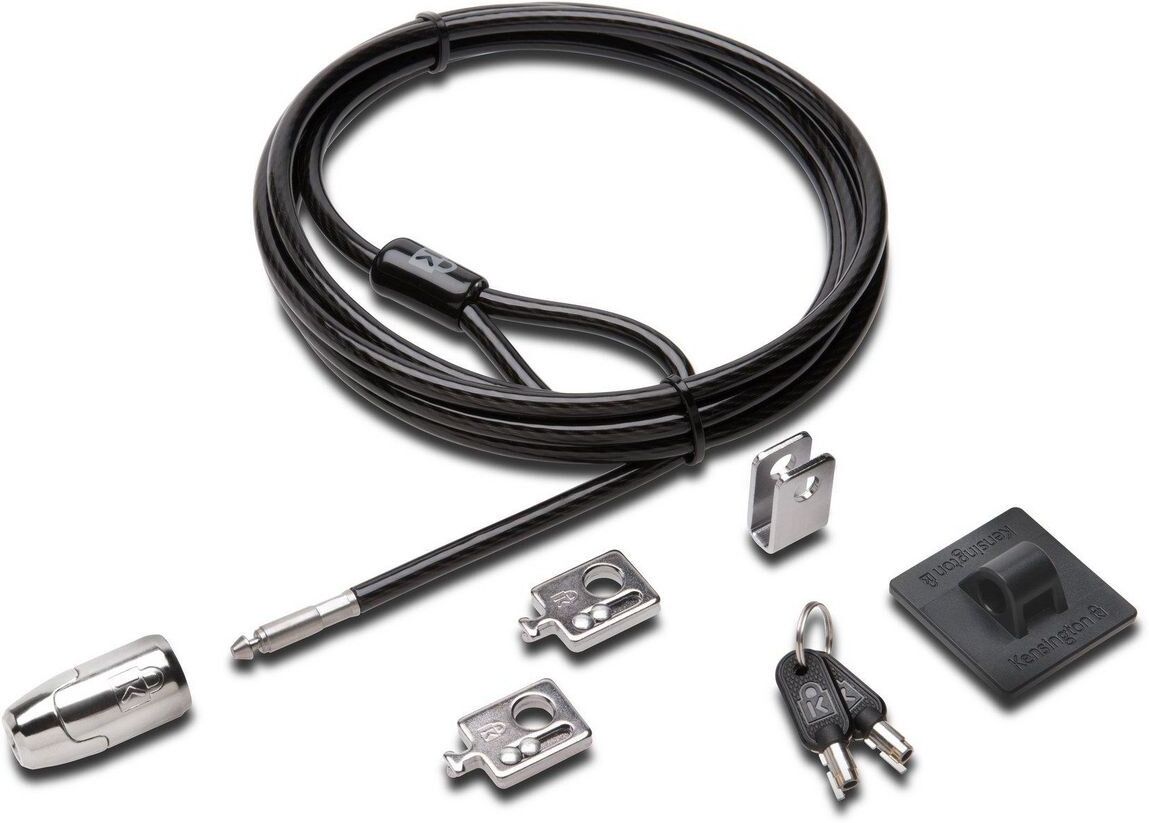
Kensington K64425EUS Desktop & Peripherals Locking Kit 2.0, Single Keyed, 2.4m Carbon Steel Cable, BlackA Kensington cable lock kit for securing a desktop PC and its peripherals. The 2.4m plastic-sheathed carbon steel cable anchors to a desk or fixed structure; an adhesive anchor plate secures a device without a security slot, and two adapters lock peripherals fitted with the standard Kensington Security Slot, with a cable clip to secure a wired keyboard and mouse. Supplied with two keys; the single-keyed version uses one master key for all locks in an organisation.77,49 £*Shipping: 0,00 £Secure redirect to the provider
-
Are Konjunktiv 1 and present tense the same?
Konjunktiv 1 and present tense are similar but not the same. Konjunktiv 1 is a mood used in German to express indirect speech, wishes, or hypothetical situations, while present tense is a grammatical tense used to describe actions happening in the current moment. In some cases, Konjunktiv 1 can be formed using the present tense of verbs, but they serve different purposes in the German language. **
-
Does the Konjunktiv 2 use "wärest" or "wärst"?
The Konjunktiv 2 uses "wärest" in standard German. However, in some dialects and informal speech, "wärst" may be used instead. **
-
What is the difference between Konjunktiv 1 and Passiv?
Konjunktiv 1 is a verb form used to express indirect speech, wishes, or hypothetical situations. It is formed by adding specific endings to the stem of the verb. Passiv, on the other hand, is a grammatical voice used to emphasize the action rather than the subject performing the action. It is formed by conjugating the verb "werden" in the appropriate tense and adding the past participle of the main verb. While Konjunktiv 1 is used to convey different moods and attitudes, Passiv is used to shift the focus of the sentence from the subject to the action itself. **
-
When do I use the Konjunktiv 2 replacement form?
The Konjunktiv 2 replacement form is used when the Konjunktiv 2 form of a verb is difficult to form or not commonly used in spoken German. This can occur in informal speech, when using modal verbs, or when expressing hypothetical or unreal situations. The replacement form is often used in place of the Konjunktiv 2 form to simplify the sentence and make it easier to understand in everyday conversation. **
* All prices are inclusive of VAT and, if applicable, plus shipping costs. The offer information is based on the details provided by the respective shop and is updated through automated processes. Real-time updates do not occur, so deviations can occur in individual cases. ** Note: Parts of this content were created by AI.