Buy ascomputers.eu ?
We are moving the project
ascomputers.eu .
Are you interested in purchasing the domain
ascomputers.eu ?
domain@kv-gmbh.de · 0541-91531010
Buy ascomputers.eu ?
What is the replication origin in DNA replication?
The replication origin is a specific sequence of DNA where the process of DNA replication begins. It is the site where the two strands of the DNA double helix are separated and the replication machinery is assembled. The replication origin is recognized by specific proteins that initiate the unwinding of the DNA and the synthesis of new DNA strands. Each DNA molecule has multiple replication origins to ensure that the entire genome is replicated efficiently. **
What is semiconservative replication?
Semiconservative replication is the process by which DNA is copied during cell division. In this process, the two strands of the DNA double helix separate, and each strand serves as a template for the synthesis of a new complementary strand. As a result, each new DNA molecule contains one original strand and one newly synthesized strand. This ensures that the genetic information is preserved and passed on to the next generation of cells. This process was first proposed by James Watson and Francis Crick in 1953. **


Similar search terms for Replication
Top-Angebote
Products related to Replication:
-
Trendy Discount Goods Two Time Plush Doll Forsaken Chance Cute Anime Peripherals Stuffed Toy Halloween Christmas Gifts For Kids Fans Two Time Plush Doll Forsaken Chance Cute Anime Peripherals Stuffed Toy Halloween Christmas Gifts For Kids FansCute and Adorable TwoTime Plushie Forsaken Chance Plush Doll This TwoTime Plushie Forsaken Chance plush doll is the perfect gift for any fan of anime and stuffed toys. With its irresistibly cute design, this plush doll captures the charm and playful...49,97 $*Shipping: 0,00 $Secure redirect to the provider
-
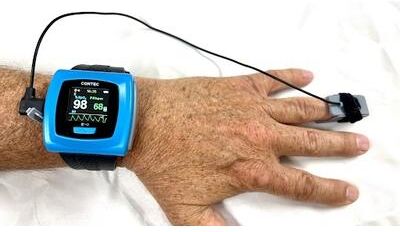
Concord Health Supply Wrist-Worn Pulse Oximeter with Digital Software Download and Download Cable""" Rechargeable Wrist-Worn Pulse Oximeter The wrist pulse oximeter features a color, multi-direction OLED screen with four levels of brightness. The easy-to-read color OLED display can be adjusted to be readable either horizontally or vertically. The..."109,00 $*Shipping: 0,00 $Secure redirect to the provider
-
Drop Dash Deals Cute Cat & Dog Car Window Vinyl Stickers Animal Decals For Laptops & Cars Cute Cat & Dog Car Window Vinyl Stickers Animal Decals For Laptops & CarsBring some joy to your ride or home with these cute cat and dog vinyl stickers. Perfect for pet lovers, this set of 10 stickers is designed to add personality to your car, laptop, or any smooth surface. Made from durable, waterproof PVC, these...44,97 $*Shipping: 0,00 $Secure redirect to the provider
-
Everyday Crate FlexGlow Dual Arm LED Book Light Clip On Reading Lamp For Books, Laptops & Travel FlexGlow Dual Arm LED Book Light Clip On Reading Lamp For Books, Laptops & TravelEnjoy comfortable latenight reading without disturbing anyone around you with this clip on 2pcs reading light designed for book lovers, students, and travelers. The flexible dualarm design lets you direct light exactly where you need it, whether...44,97 $*Shipping: 0,00 $Secure redirect to the provider



-
What is DNA replication?
DNA replication is the process by which a cell makes an identical copy of its DNA. This process is essential for cell division and the transmission of genetic information from one generation to the next. It involves the unwinding of the DNA double helix, the synthesis of new complementary strands using the existing strands as templates, and the proofreading and correction of any errors. DNA replication ensures that each new cell receives a complete and accurate set of genetic instructions. **
-
How does DNA replication occur?
DNA replication occurs in a semi-conservative manner, where the two strands of the double helix are separated and each strand serves as a template for the synthesis of a new complementary strand. The enzyme helicase unwinds the double helix, creating two single strands. DNA polymerase then adds new nucleotides to each single strand, following the base-pairing rules (A with T, and C with G). This results in two identical double-stranded DNA molecules, each containing one original strand and one newly synthesized strand. **
-
What is RNA self-replication?
RNA self-replication is a process where RNA molecules are able to catalyze their own replication without the need for external enzymes. This ability is crucial for the early evolution of life on Earth, as it is believed to be a key step in the transition from prebiotic chemistry to the emergence of life. RNA self-replication involves the RNA molecule acting as both a template and an enzyme, allowing it to make copies of itself. This process is a fundamental aspect of the RNA world hypothesis, which suggests that RNA played a central role in the origin of life. **
-
Where does DNA replication occur?
DNA replication occurs in the nucleus of eukaryotic cells and in the cytoplasm of prokaryotic cells. In eukaryotic cells, DNA replication takes place during the S phase of the cell cycle, when the DNA is duplicated to ensure that each daughter cell receives a complete set of genetic information. The process involves the unwinding of the DNA double helix, the synthesis of new DNA strands using existing strands as templates, and the proofreading and correction of errors. Overall, DNA replication is a fundamental process that ensures the accurate transmission of genetic information from one generation to the next. **


What is a replication bubble?
A replication bubble is a region of DNA where the double helix has been unwound and separated to allow for DNA replication to occur. It is formed by the action of helicase enzymes that unwind the DNA strands, creating two single-stranded templates for the replication process. The replication bubble expands as the replication machinery moves along the DNA, synthesizing new strands of DNA. Replication bubbles are a key feature of DNA replication and allow for the efficient and accurate copying of genetic information. **
How does semiconservative DNA replication occur?
Semiconservative DNA replication occurs in the following way: the double-stranded DNA molecule unwinds and separates into two strands. Each separated strand serves as a template for the synthesis of a new complementary strand. Enzymes called DNA polymerases add nucleotides to the new strands based on the complementary base pairing rules (A with T, C with G). As a result, two identical DNA molecules are produced, each consisting of one original strand and one newly synthesized strand. This process ensures that genetic information is faithfully passed on to daughter cells during cell division. **
Top-Angebote
Products related to Replication:
-
Nonin Medical nVision Data Management Software for Oximetry Screening""" nVision SpO2 Data Management Software Nonin's innovation in pulse oximetry has led to the development of an easy oximetry reporting solution nVISION. Designed to provide effortless viewing, professional analysis, report generation and reliable..."441,00 $*Shipping: 0,00 $Secure redirect to the provider
-
Trendy Discount Goods Two Time Plush Doll Forsaken Chance Cute Anime Peripherals Stuffed Toy Halloween Christmas Gifts For Kids Fans Two Time Plush Doll Forsaken Chance Cute Anime Peripherals Stuffed Toy Halloween Christmas Gifts For Kids FansCute and Adorable TwoTime Plushie Forsaken Chance Plush Doll This TwoTime Plushie Forsaken Chance plush doll is the perfect gift for any fan of anime and stuffed toys. With its irresistibly cute design, this plush doll captures the charm and playful...49,97 $*Shipping: 0,00 $Secure redirect to the provider
-
Concord Health Supply Wrist-Worn Pulse Oximeter with Digital Software Download and Download Cable""" Rechargeable Wrist-Worn Pulse Oximeter The wrist pulse oximeter features a color, multi-direction OLED screen with four levels of brightness. The easy-to-read color OLED display can be adjusted to be readable either horizontally or vertically. The..."109,00 $*Shipping: 0,00 $Secure redirect to the provider
-
What is the replication origin in DNA replication?
The replication origin is a specific sequence of DNA where the process of DNA replication begins. It is the site where the two strands of the DNA double helix are separated and the replication machinery is assembled. The replication origin is recognized by specific proteins that initiate the unwinding of the DNA and the synthesis of new DNA strands. Each DNA molecule has multiple replication origins to ensure that the entire genome is replicated efficiently. **
-
What is semiconservative replication?
Semiconservative replication is the process by which DNA is copied during cell division. In this process, the two strands of the DNA double helix separate, and each strand serves as a template for the synthesis of a new complementary strand. As a result, each new DNA molecule contains one original strand and one newly synthesized strand. This ensures that the genetic information is preserved and passed on to the next generation of cells. This process was first proposed by James Watson and Francis Crick in 1953. **
-
What is DNA replication?
DNA replication is the process by which a cell makes an identical copy of its DNA. This process is essential for cell division and the transmission of genetic information from one generation to the next. It involves the unwinding of the DNA double helix, the synthesis of new complementary strands using the existing strands as templates, and the proofreading and correction of any errors. DNA replication ensures that each new cell receives a complete and accurate set of genetic instructions. **
-
How does DNA replication occur?
DNA replication occurs in a semi-conservative manner, where the two strands of the double helix are separated and each strand serves as a template for the synthesis of a new complementary strand. The enzyme helicase unwinds the double helix, creating two single strands. DNA polymerase then adds new nucleotides to each single strand, following the base-pairing rules (A with T, and C with G). This results in two identical double-stranded DNA molecules, each containing one original strand and one newly synthesized strand. **
Similar search terms for Replication
-
Drop Dash Deals Cute Cat & Dog Car Window Vinyl Stickers Animal Decals For Laptops & Cars Cute Cat & Dog Car Window Vinyl Stickers Animal Decals For Laptops & CarsBring some joy to your ride or home with these cute cat and dog vinyl stickers. Perfect for pet lovers, this set of 10 stickers is designed to add personality to your car, laptop, or any smooth surface. Made from durable, waterproof PVC, these...44,97 $*Shipping: 0,00 $Secure redirect to the provider
-
Everyday Crate FlexGlow Dual Arm LED Book Light Clip On Reading Lamp For Books, Laptops & Travel FlexGlow Dual Arm LED Book Light Clip On Reading Lamp For Books, Laptops & TravelEnjoy comfortable latenight reading without disturbing anyone around you with this clip on 2pcs reading light designed for book lovers, students, and travelers. The flexible dualarm design lets you direct light exactly where you need it, whether...44,97 $*Shipping: 0,00 $Secure redirect to the provider
-
Inspired Finds Kawaii Pink Halloween Waterproof Sticker Pack 50 Pieces For Laptops, Water Bottles And Crafts Kawaii Pink Halloween Waterproof Sticker Pack 50 Pieces For Laptops, Water Bottles And CraftsDecorate your favorite items with spooky charm using our Halloween stickers, designed for anyone who loves cute pastel aesthetics with a playful Halloween twist. This kawaii sticker pack features adorable ghosts, pumpkins, skulls, bats, and festive...34,99 $*Shipping: 0,00 $Secure redirect to the provider
-
Nonin Medical Nonin WristOx2 Starter Kit 3150SK USB Wrist-Worn Pulse Oximeter with nVision software and download cable""" Find this product at a lower published price from another authorized dealer? Give us a call: we will beat the price and give you a free fingertip pulse oximeter with your purchase. WristOx2 3150SK Wrist-Worn Pulse Oximeter Starter Kit A small,..."1199,00 $*Shipping: 0,00 $Secure redirect to the provider
-
What is RNA self-replication?
RNA self-replication is a process where RNA molecules are able to catalyze their own replication without the need for external enzymes. This ability is crucial for the early evolution of life on Earth, as it is believed to be a key step in the transition from prebiotic chemistry to the emergence of life. RNA self-replication involves the RNA molecule acting as both a template and an enzyme, allowing it to make copies of itself. This process is a fundamental aspect of the RNA world hypothesis, which suggests that RNA played a central role in the origin of life. **
-
Where does DNA replication occur?
DNA replication occurs in the nucleus of eukaryotic cells and in the cytoplasm of prokaryotic cells. In eukaryotic cells, DNA replication takes place during the S phase of the cell cycle, when the DNA is duplicated to ensure that each daughter cell receives a complete set of genetic information. The process involves the unwinding of the DNA double helix, the synthesis of new DNA strands using existing strands as templates, and the proofreading and correction of errors. Overall, DNA replication is a fundamental process that ensures the accurate transmission of genetic information from one generation to the next. **
-
What is a replication bubble?
A replication bubble is a region of DNA where the double helix has been unwound and separated to allow for DNA replication to occur. It is formed by the action of helicase enzymes that unwind the DNA strands, creating two single-stranded templates for the replication process. The replication bubble expands as the replication machinery moves along the DNA, synthesizing new strands of DNA. Replication bubbles are a key feature of DNA replication and allow for the efficient and accurate copying of genetic information. **
-
How does semiconservative DNA replication occur?
Semiconservative DNA replication occurs in the following way: the double-stranded DNA molecule unwinds and separates into two strands. Each separated strand serves as a template for the synthesis of a new complementary strand. Enzymes called DNA polymerases add nucleotides to the new strands based on the complementary base pairing rules (A with T, C with G). As a result, two identical DNA molecules are produced, each consisting of one original strand and one newly synthesized strand. This process ensures that genetic information is faithfully passed on to daughter cells during cell division. **
* All prices are inclusive of VAT and, if applicable, plus shipping costs. The offer information is based on the details provided by the respective shop and is updated through automated processes. Real-time updates do not occur, so deviations can occur in individual cases. ** Note: Parts of this content were created by AI.