Buy ascomputers.eu ?
We are moving the project
ascomputers.eu .
Are you interested in purchasing the domain
ascomputers.eu ?
domain@kv-gmbh.de · 0541-91531010
Buy ascomputers.eu ?
What is a jet propulsion?
Jet propulsion is a method of creating thrust by expelling a high-velocity jet of fluid or gas in the opposite direction of the desired movement. This principle is commonly used in jet engines, where air is compressed and mixed with fuel before being ignited to produce a high-speed exhaust jet. The reaction force from the jet propels the engine and the aircraft forward. Jet propulsion is widely used in aviation, as well as in marine and rocket propulsion systems. **
Are there airplanes with nuclear propulsion?
No, there are currently no airplanes with nuclear propulsion. While nuclear propulsion has been explored for use in spacecraft and submarines, the technology is not currently used in commercial or military aircraft due to safety concerns and regulatory restrictions. The complexity and potential risks associated with nuclear propulsion make it unlikely to be implemented in airplanes in the near future. **


Similar search terms for Propulsion
Top-Angebote
Products related to Propulsion:
-
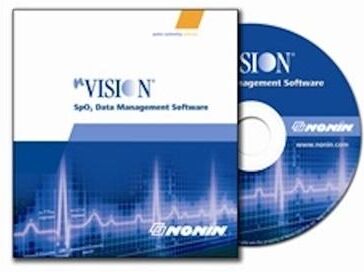
Nonin Medical nVision Data Management Software for Oximetry Screening""" nVision SpO2 Data Management Software Nonin's innovation in pulse oximetry has led to the development of an easy oximetry reporting solution nVISION. Designed to provide effortless viewing, professional analysis, report generation and reliable..."441,00 $*Shipping: 0,00 $Secure redirect to the provider
-
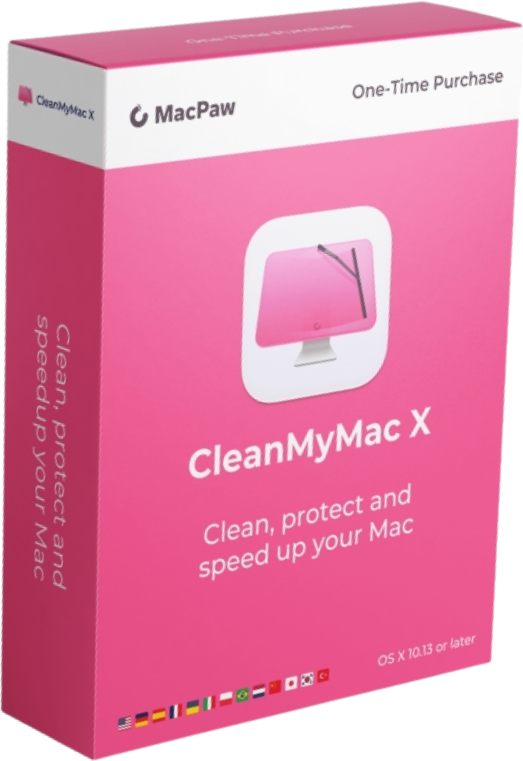
Mac Paw CleanMyMac X - Mac Cleaning and Optimisation Software - Lifetime LicenceCleanMyMac X - Mac Cleaning and Optimisation Software Lifetime Licence Clean, Optimise and Protect Your Mac with CleanMyMac X CleanMyMac X is the best cleaning and optimisation software for Mac, designed to free up disk space, speed up macOS and protect your computer from malware and viruses. Chosen by millions of users worldwide, CleanMyMac X is the professional solution to keep your MacBook, iMac or Mac Mini in perfect condition. Why Choose CleanMyMac X? Deep Cleaning the Mac Remove junk files, system caches, obsolete logs and temporary files that take up valuable disk space. CleanMyMac X can free up tens of gigabytes with a single click, optimising the performance of your Mac. MacOS Performance Optimisation Speed up your Mac by eliminating applications that start automatically, unnecessary background processes and scripts that slow down the system. Ideal for Slow Mac or with performance problems. Antivirus and Antimalware Protection Full scan to detect and remove Mac viruses, adware, spyware and ransomware . Constantly updated database to protect your device from the latest cyber threats. Complete Uninstallation of Applications It completely removes unwanted apps along with all residual files, extensions and hidden preferences that other uninstallation methods leave on the system. Main features of CleanMyMac X ✓ Smart Scan - Automatic scanning that analyses cleanliness, protection and speed ✓ Freeing Disk Space - Finds and removes duplicate files, heavy email attachments and forgotten downloads ✓ Software Update - Keep all your applications up-to-date from a single interface ✓ System Monitoring - Menu bar widget to check CPU, RAM, battery and disk space in real time ✓ MacOS maintenance - Automatic scripts to optimise databases, repair permissions and free RAM ✓ Privacy and Security - Delete browsing history, cookies and digital traces Compatibility and Requirements Operating System macOS 10.13 High Sierra or later Compatible with : MacBook Air, MacBook Pro, iMac, Mac Mini, Mac Studio, Mac Pro Support macOS Sonoma, Ventura, Monterey, Big Sur, Catalina, Mojave Certified and Safe CleanMyMac X is Apple Certified with notarised signatures, guaranteeing maximum security and reliability. Developed by MacPaw, a leading Mac software company since 2008. Buy CleanMyMac X - Lifetime Licence Get the CleanMyMac X lifetime licence to protect and optimise your Mac. Available as a single or multi-device version. Updates included and technical support guaranteed. Keywords : Mac cleaning, macOS optimisation, Mac antivirus, free up Mac space, speed up Mac, Mac maintenance software, clean Mac disk, remove Mac malware77,81 £*Shipping: 0,00 £Secure redirect to the provider


-
What is a rocket propulsion system?
A rocket propulsion system is a method of generating thrust to propel a rocket into space. It typically involves the combustion of propellant, such as liquid or solid fuel, to produce high-speed exhaust gases that create a reaction force in the opposite direction, according to Newton's third law of motion. There are different types of rocket propulsion systems, including chemical rockets, electric propulsion, and nuclear propulsion, each with its own advantages and limitations. Rocket propulsion systems are essential for space exploration, satellite deployment, and interplanetary travel. **
-
What propulsion system could UFOs have?
UFOs could potentially have advanced propulsion systems such as anti-gravity technology, electromagnetic propulsion, or even warp drives. These systems would allow them to achieve incredible speeds and maneuverability, as reported by many eyewitness accounts. While the exact nature of UFO propulsion systems remains a mystery, it is widely believed that they would have to be highly advanced and beyond our current understanding of physics. **
-
Is it possible to use a propulsion system like the photon drive and magnetic field as propulsion?
While the concept of using a propulsion system like the photon drive and magnetic field for propulsion is theoretically possible, it is currently not a practical or feasible method for spacecraft propulsion. The photon drive relies on the momentum of photons for thrust, which is very small and would require a massive amount of energy to generate significant acceleration. Additionally, the use of magnetic fields for propulsion, such as in magnetic sails, is still in the experimental stages and faces challenges in terms of scalability and efficiency. Research and development in these areas are ongoing, but more advancements are needed before these propulsion systems can be effectively used in space missions. **
-
What is the smallest atomic propulsion system?
The smallest atomic propulsion system is the radioisotope thermoelectric generator (RTG). RTGs use the heat produced by the decay of radioactive isotopes, such as plutonium-238, to generate electricity. This electricity can then be used to power small spacecraft and satellites, providing a long-lasting and reliable source of energy for deep space missions. RTGs have been used in numerous space missions, including the Voyager and Cassini spacecraft. **

Which type of propulsion would you choose?
I would choose electric propulsion for its environmental benefits and efficiency. Electric propulsion produces zero emissions, reducing the environmental impact of the vehicle. It also requires less maintenance and has lower operating costs compared to traditional combustion engines. Additionally, electric propulsion provides smooth and quiet operation, enhancing the overall experience for passengers. **
Why do ships use diesel as propulsion?
Ships use diesel as propulsion because diesel engines are known for their efficiency, reliability, and power. Diesel engines are able to generate a high amount of torque, making them well-suited for powering large vessels through water. Additionally, diesel fuel is widely available around the world, making it a convenient choice for long-distance travel. Overall, diesel propulsion offers a cost-effective and practical solution for powering ships across various types of water bodies. **
Top-Angebote
Products related to Propulsion:
-
Nonin Medical nVision Data Management Software for Oximetry Screening""" nVision SpO2 Data Management Software Nonin's innovation in pulse oximetry has led to the development of an easy oximetry reporting solution nVISION. Designed to provide effortless viewing, professional analysis, report generation and reliable..."441,00 $*Shipping: 0,00 $Secure redirect to the provider
-
What is a jet propulsion?
Jet propulsion is a method of creating thrust by expelling a high-velocity jet of fluid or gas in the opposite direction of the desired movement. This principle is commonly used in jet engines, where air is compressed and mixed with fuel before being ignited to produce a high-speed exhaust jet. The reaction force from the jet propels the engine and the aircraft forward. Jet propulsion is widely used in aviation, as well as in marine and rocket propulsion systems. **
-
Are there airplanes with nuclear propulsion?
No, there are currently no airplanes with nuclear propulsion. While nuclear propulsion has been explored for use in spacecraft and submarines, the technology is not currently used in commercial or military aircraft due to safety concerns and regulatory restrictions. The complexity and potential risks associated with nuclear propulsion make it unlikely to be implemented in airplanes in the near future. **
-
What is a rocket propulsion system?
A rocket propulsion system is a method of generating thrust to propel a rocket into space. It typically involves the combustion of propellant, such as liquid or solid fuel, to produce high-speed exhaust gases that create a reaction force in the opposite direction, according to Newton's third law of motion. There are different types of rocket propulsion systems, including chemical rockets, electric propulsion, and nuclear propulsion, each with its own advantages and limitations. Rocket propulsion systems are essential for space exploration, satellite deployment, and interplanetary travel. **
-
What propulsion system could UFOs have?
UFOs could potentially have advanced propulsion systems such as anti-gravity technology, electromagnetic propulsion, or even warp drives. These systems would allow them to achieve incredible speeds and maneuverability, as reported by many eyewitness accounts. While the exact nature of UFO propulsion systems remains a mystery, it is widely believed that they would have to be highly advanced and beyond our current understanding of physics. **
Similar search terms for Propulsion
-
Mac Paw CleanMyMac X - Mac Cleaning and Optimisation Software - Lifetime LicenceCleanMyMac X - Mac Cleaning and Optimisation Software Lifetime Licence Clean, Optimise and Protect Your Mac with CleanMyMac X CleanMyMac X is the best cleaning and optimisation software for Mac, designed to free up disk space, speed up macOS and protect your computer from malware and viruses. Chosen by millions of users worldwide, CleanMyMac X is the professional solution to keep your MacBook, iMac or Mac Mini in perfect condition. Why Choose CleanMyMac X? Deep Cleaning the Mac Remove junk files, system caches, obsolete logs and temporary files that take up valuable disk space. CleanMyMac X can free up tens of gigabytes with a single click, optimising the performance of your Mac. MacOS Performance Optimisation Speed up your Mac by eliminating applications that start automatically, unnecessary background processes and scripts that slow down the system. Ideal for Slow Mac or with performance problems. Antivirus and Antimalware Protection Full scan to detect and remove Mac viruses, adware, spyware and ransomware . Constantly updated database to protect your device from the latest cyber threats. Complete Uninstallation of Applications It completely removes unwanted apps along with all residual files, extensions and hidden preferences that other uninstallation methods leave on the system. Main features of CleanMyMac X ✓ Smart Scan - Automatic scanning that analyses cleanliness, protection and speed ✓ Freeing Disk Space - Finds and removes duplicate files, heavy email attachments and forgotten downloads ✓ Software Update - Keep all your applications up-to-date from a single interface ✓ System Monitoring - Menu bar widget to check CPU, RAM, battery and disk space in real time ✓ MacOS maintenance - Automatic scripts to optimise databases, repair permissions and free RAM ✓ Privacy and Security - Delete browsing history, cookies and digital traces Compatibility and Requirements Operating System macOS 10.13 High Sierra or later Compatible with : MacBook Air, MacBook Pro, iMac, Mac Mini, Mac Studio, Mac Pro Support macOS Sonoma, Ventura, Monterey, Big Sur, Catalina, Mojave Certified and Safe CleanMyMac X is Apple Certified with notarised signatures, guaranteeing maximum security and reliability. Developed by MacPaw, a leading Mac software company since 2008. Buy CleanMyMac X - Lifetime Licence Get the CleanMyMac X lifetime licence to protect and optimise your Mac. Available as a single or multi-device version. Updates included and technical support guaranteed. Keywords : Mac cleaning, macOS optimisation, Mac antivirus, free up Mac space, speed up Mac, Mac maintenance software, clean Mac disk, remove Mac malware77,81 £*Shipping: 0,00 £Secure redirect to the provider
-
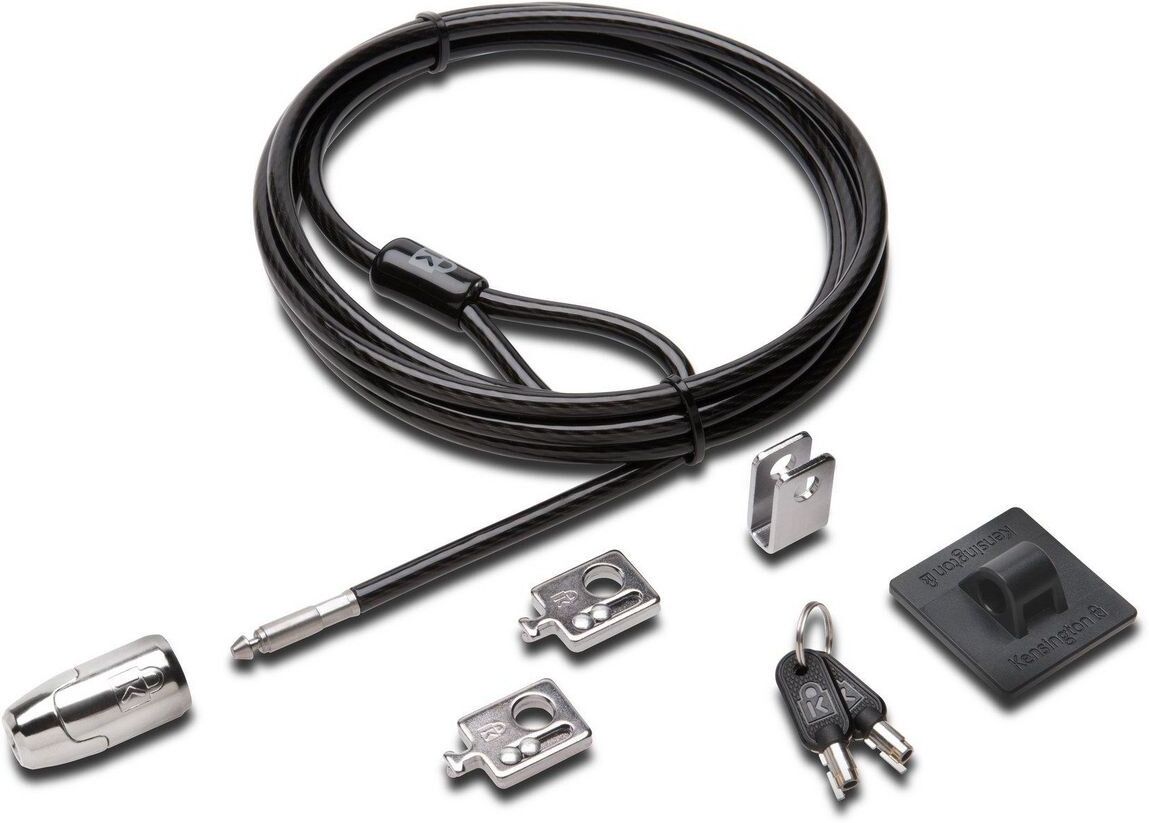
Kensington K64425EUS Desktop & Peripherals Locking Kit 2.0, Single Keyed, 2.4m Carbon Steel Cable, BlackA Kensington cable lock kit for securing a desktop PC and its peripherals. The 2.4m plastic-sheathed carbon steel cable anchors to a desk or fixed structure; an adhesive anchor plate secures a device without a security slot, and two adapters lock peripherals fitted with the standard Kensington Security Slot, with a cable clip to secure a wired keyboard and mouse. Supplied with two keys; the single-keyed version uses one master key for all locks in an organisation.77,49 £*Shipping: 0,00 £Secure redirect to the provider
-
Is it possible to use a propulsion system like the photon drive and magnetic field as propulsion?
While the concept of using a propulsion system like the photon drive and magnetic field for propulsion is theoretically possible, it is currently not a practical or feasible method for spacecraft propulsion. The photon drive relies on the momentum of photons for thrust, which is very small and would require a massive amount of energy to generate significant acceleration. Additionally, the use of magnetic fields for propulsion, such as in magnetic sails, is still in the experimental stages and faces challenges in terms of scalability and efficiency. Research and development in these areas are ongoing, but more advancements are needed before these propulsion systems can be effectively used in space missions. **
-
What is the smallest atomic propulsion system?
The smallest atomic propulsion system is the radioisotope thermoelectric generator (RTG). RTGs use the heat produced by the decay of radioactive isotopes, such as plutonium-238, to generate electricity. This electricity can then be used to power small spacecraft and satellites, providing a long-lasting and reliable source of energy for deep space missions. RTGs have been used in numerous space missions, including the Voyager and Cassini spacecraft. **
-
Which type of propulsion would you choose?
I would choose electric propulsion for its environmental benefits and efficiency. Electric propulsion produces zero emissions, reducing the environmental impact of the vehicle. It also requires less maintenance and has lower operating costs compared to traditional combustion engines. Additionally, electric propulsion provides smooth and quiet operation, enhancing the overall experience for passengers. **
-
Why do ships use diesel as propulsion?
Ships use diesel as propulsion because diesel engines are known for their efficiency, reliability, and power. Diesel engines are able to generate a high amount of torque, making them well-suited for powering large vessels through water. Additionally, diesel fuel is widely available around the world, making it a convenient choice for long-distance travel. Overall, diesel propulsion offers a cost-effective and practical solution for powering ships across various types of water bodies. **
* All prices are inclusive of VAT and, if applicable, plus shipping costs. The offer information is based on the details provided by the respective shop and is updated through automated processes. Real-time updates do not occur, so deviations can occur in individual cases. ** Note: Parts of this content were created by AI.