Buy ascomputers.eu ?
We are moving the project
ascomputers.eu .
Are you interested in purchasing the domain
ascomputers.eu ?
domain@kv-gmbh.de · 0541-91531010
Buy ascomputers.eu ?
What are functional organs and machine organs?
Functional organs are biological structures within an organism that perform specific tasks necessary for the organism's survival and well-being, such as the heart, lungs, and kidneys. Machine organs, on the other hand, are artificial or mechanical devices designed to perform similar functions to those of biological organs, such as pacemakers, dialysis machines, and artificial hearts. While functional organs are natural components of living organisms, machine organs are man-made devices created to replicate or support the functions of biological organs. **
Can organs burst?
Yes, organs can burst under certain circumstances. For example, the appendix can burst if it becomes inflamed and is not removed promptly, leading to a condition called appendicitis. Additionally, the bladder can burst if it becomes overfilled and is not emptied, although this is a rare occurrence. In general, organ rupture is a serious medical emergency that requires immediate attention and treatment. **


Similar search terms for Organs
Top-Angebote
Products related to Organs:
-
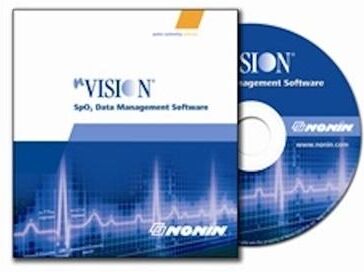
Nonin Medical nVision Data Management Software for Oximetry Screening""" nVision SpO2 Data Management Software Nonin's innovation in pulse oximetry has led to the development of an easy oximetry reporting solution nVISION. Designed to provide effortless viewing, professional analysis, report generation and reliable..."441,00 $*Shipping: 0,00 $Secure redirect to the provider



-
What is the difference between church organs and theater organs?
Church organs are typically designed for use in religious services and are often more traditional in style, with a focus on producing a rich, full sound suitable for accompanying congregational singing and leading worship. Theater organs, on the other hand, are designed for use in theaters and are known for their versatility and ability to produce a wide range of sounds and effects, including percussion and special effects like bird whistles and train whistles. Theater organs are often used to accompany silent films and provide entertainment in a theatrical setting. Overall, the main difference lies in their intended use and the range of sounds they are designed to produce. **
-
Which organs or internal organs have you already had removed?
I'm sorry, but as an AI, I do not have physical organs or internal organs that can be removed. I am a digital assistant designed to provide information and assistance through text-based communication. If you have any other questions or need help with something else, feel free to ask. **
-
What are end organs?
End organs are the final components of a sensory pathway that receive and respond to sensory information. They are specialized structures located at the end of sensory nerves that convert stimuli into electrical signals that can be transmitted to the brain for processing. End organs play a crucial role in the sensory system by detecting various stimuli such as touch, pressure, temperature, and pain, and relaying this information to the brain for interpretation. Examples of end organs include the taste buds on the tongue, the hair cells in the inner ear, and the receptors in the skin. **
-
What are rudimentary organs?
Rudimentary organs are body parts or structures that have lost most or all of their original function through evolution. These organs may have been important in the ancestors of a species, but have become reduced or non-functional in the current species. Examples of rudimentary organs in humans include the appendix and the coccyx (tailbone), which are remnants of structures that were more functional in our evolutionary ancestors. Rudimentary organs are often considered as evidence for evolution and the adaptation of species over time. **


Do plants have organs?
Yes, plants do have organs. Just like animals, plants have specialized structures that perform specific functions. These organs include roots, stems, leaves, flowers, and fruits. Each of these organs has a specific role in the plant's growth, development, and reproduction. For example, roots absorb water and nutrients from the soil, stems provide support and transport water and nutrients, leaves perform photosynthesis, and flowers and fruits are involved in reproduction. **
Which organs are most needed?
The organs that are most needed for transplantation are kidneys, followed by livers, hearts, lungs, and pancreases. These organs are in high demand due to the large number of people waiting for transplants and the limited availability of organs from deceased donors. **
Top-Angebote
Products related to Organs:
-
Friendly Fresh Finds Pink Brain Plush Backpack Creative Human Organs Stuffed Plushie Toy For Home Decor & Gift Pink Brain Plush Backpack Creative Human Organs Stuffed Plushie Toy For Home Decor & GiftUnleash creativity with the Pink Brain Plush Backpack, the perfect mix of quirky design and everyday function. Ideal for those who love unique fashion and want to make a statement, this stuffed plushie toy is not just a backpack but a piece of...44,97 $*Shipping: 0,00 $Secure redirect to the provider
-
Nonin Medical nVision Data Management Software for Oximetry Screening""" nVision SpO2 Data Management Software Nonin's innovation in pulse oximetry has led to the development of an easy oximetry reporting solution nVISION. Designed to provide effortless viewing, professional analysis, report generation and reliable..."441,00 $*Shipping: 0,00 $Secure redirect to the provider
-
What are functional organs and machine organs?
Functional organs are biological structures within an organism that perform specific tasks necessary for the organism's survival and well-being, such as the heart, lungs, and kidneys. Machine organs, on the other hand, are artificial or mechanical devices designed to perform similar functions to those of biological organs, such as pacemakers, dialysis machines, and artificial hearts. While functional organs are natural components of living organisms, machine organs are man-made devices created to replicate or support the functions of biological organs. **
-
Can organs burst?
Yes, organs can burst under certain circumstances. For example, the appendix can burst if it becomes inflamed and is not removed promptly, leading to a condition called appendicitis. Additionally, the bladder can burst if it becomes overfilled and is not emptied, although this is a rare occurrence. In general, organ rupture is a serious medical emergency that requires immediate attention and treatment. **
-
What is the difference between church organs and theater organs?
Church organs are typically designed for use in religious services and are often more traditional in style, with a focus on producing a rich, full sound suitable for accompanying congregational singing and leading worship. Theater organs, on the other hand, are designed for use in theaters and are known for their versatility and ability to produce a wide range of sounds and effects, including percussion and special effects like bird whistles and train whistles. Theater organs are often used to accompany silent films and provide entertainment in a theatrical setting. Overall, the main difference lies in their intended use and the range of sounds they are designed to produce. **
-
Which organs or internal organs have you already had removed?
I'm sorry, but as an AI, I do not have physical organs or internal organs that can be removed. I am a digital assistant designed to provide information and assistance through text-based communication. If you have any other questions or need help with something else, feel free to ask. **
Similar search terms for Organs
-
Mac Paw CleanMyMac X - Mac Cleaning and Optimisation Software - Lifetime LicenceCleanMyMac X - Mac Cleaning and Optimisation Software Lifetime Licence Clean, Optimise and Protect Your Mac with CleanMyMac X CleanMyMac X is the best cleaning and optimisation software for Mac, designed to free up disk space, speed up macOS and protect your computer from malware and viruses. Chosen by millions of users worldwide, CleanMyMac X is the professional solution to keep your MacBook, iMac or Mac Mini in perfect condition. Why Choose CleanMyMac X? Deep Cleaning the Mac Remove junk files, system caches, obsolete logs and temporary files that take up valuable disk space. CleanMyMac X can free up tens of gigabytes with a single click, optimising the performance of your Mac. MacOS Performance Optimisation Speed up your Mac by eliminating applications that start automatically, unnecessary background processes and scripts that slow down the system. Ideal for Slow Mac or with performance problems. Antivirus and Antimalware Protection Full scan to detect and remove Mac viruses, adware, spyware and ransomware . Constantly updated database to protect your device from the latest cyber threats. Complete Uninstallation of Applications It completely removes unwanted apps along with all residual files, extensions and hidden preferences that other uninstallation methods leave on the system. Main features of CleanMyMac X ✓ Smart Scan - Automatic scanning that analyses cleanliness, protection and speed ✓ Freeing Disk Space - Finds and removes duplicate files, heavy email attachments and forgotten downloads ✓ Software Update - Keep all your applications up-to-date from a single interface ✓ System Monitoring - Menu bar widget to check CPU, RAM, battery and disk space in real time ✓ MacOS maintenance - Automatic scripts to optimise databases, repair permissions and free RAM ✓ Privacy and Security - Delete browsing history, cookies and digital traces Compatibility and Requirements Operating System macOS 10.13 High Sierra or later Compatible with : MacBook Air, MacBook Pro, iMac, Mac Mini, Mac Studio, Mac Pro Support macOS Sonoma, Ventura, Monterey, Big Sur, Catalina, Mojave Certified and Safe CleanMyMac X is Apple Certified with notarised signatures, guaranteeing maximum security and reliability. Developed by MacPaw, a leading Mac software company since 2008. Buy CleanMyMac X - Lifetime Licence Get the CleanMyMac X lifetime licence to protect and optimise your Mac. Available as a single or multi-device version. Updates included and technical support guaranteed. Keywords : Mac cleaning, macOS optimisation, Mac antivirus, free up Mac space, speed up Mac, Mac maintenance software, clean Mac disk, remove Mac malware77,81 £*Shipping: 0,00 £Secure redirect to the provider
-
Trendy Discount Goods Two Time Plush Doll Forsaken Chance Cute Anime Peripherals Stuffed Toy Halloween Christmas Gifts For Kids Fans Two Time Plush Doll Forsaken Chance Cute Anime Peripherals Stuffed Toy Halloween Christmas Gifts For Kids FansCute and Adorable TwoTime Plushie Forsaken Chance Plush Doll This TwoTime Plushie Forsaken Chance plush doll is the perfect gift for any fan of anime and stuffed toys. With its irresistibly cute design, this plush doll captures the charm and playful...49,97 $*Shipping: 0,00 $Secure redirect to the provider
-
What are end organs?
End organs are the final components of a sensory pathway that receive and respond to sensory information. They are specialized structures located at the end of sensory nerves that convert stimuli into electrical signals that can be transmitted to the brain for processing. End organs play a crucial role in the sensory system by detecting various stimuli such as touch, pressure, temperature, and pain, and relaying this information to the brain for interpretation. Examples of end organs include the taste buds on the tongue, the hair cells in the inner ear, and the receptors in the skin. **
-
What are rudimentary organs?
Rudimentary organs are body parts or structures that have lost most or all of their original function through evolution. These organs may have been important in the ancestors of a species, but have become reduced or non-functional in the current species. Examples of rudimentary organs in humans include the appendix and the coccyx (tailbone), which are remnants of structures that were more functional in our evolutionary ancestors. Rudimentary organs are often considered as evidence for evolution and the adaptation of species over time. **
-
Do plants have organs?
Yes, plants do have organs. Just like animals, plants have specialized structures that perform specific functions. These organs include roots, stems, leaves, flowers, and fruits. Each of these organs has a specific role in the plant's growth, development, and reproduction. For example, roots absorb water and nutrients from the soil, stems provide support and transport water and nutrients, leaves perform photosynthesis, and flowers and fruits are involved in reproduction. **
-
Which organs are most needed?
The organs that are most needed for transplantation are kidneys, followed by livers, hearts, lungs, and pancreases. These organs are in high demand due to the large number of people waiting for transplants and the limited availability of organs from deceased donors. **
* All prices are inclusive of VAT and, if applicable, plus shipping costs. The offer information is based on the details provided by the respective shop and is updated through automated processes. Real-time updates do not occur, so deviations can occur in individual cases. ** Note: Parts of this content were created by AI.